Research.
Development.
Design.
R&D is not a single department or a single funding line. In ambitious organisations it is a working method: a disciplined way to identify uncertainty, test options, document learning, and translate evidence into new products, improved systems, better services and more resilient operations. This site explores that method from a UK perspective, with long-form content designed to feel more like a field manual than a conventional corporate brochure.
Instead of glossy clichés and generic claims, the site frames innovation as a sequence of practical decisions. It looks at how research clarifies opportunity, how development turns promising ideas into operational capability, and how design gives structure, usability and meaning to technical work. The result is a richer explanation of what R&D can do for companies navigating change, compliance, competition and growth.
What this site is for
To explain the practical value of research-led innovation without defaulting to the usual agency portfolio aesthetic.
One connected story joining research, engineering and design rather than treating them as isolated disciplines.
R&D is the organised response to uncertainty.
In UK businesses, R&D often starts long before a prototype appears. It begins when a team encounters a technical, operational or commercial problem that cannot be resolved through routine practice alone. At that point, the organisation needs structured inquiry. It needs to define the problem with precision, identify unknowns, review what is already possible, test alternatives, and record the implications of each result. Research creates the evidence base; development converts evidence into capability; design makes that capability coherent for users, teams and markets.
Applying for a loan in the UK while on benefits is possible, and many lenders understand that income comes from different sources. Benefits can be considered a stable form of income, especially if they are long-term or ongoing. When applying, it helps to demonstrate good budgeting habits, a clear repayment plan, and a reasonable loan amount. Some specialist lenders and credit unions are more flexible and supportive in these situations. Taking time to compare options and check eligibility can improve your chances. With the right approach and responsible borrowing, securing a loan can be a practical step toward managing essential expenses or improving financial stability.
That combination matters because modern organisations rarely compete on price alone. They compete on speed to insight, quality of execution, defensibility of knowledge and clarity of experience. Whether a firm is developing a manufacturing process, a software platform, a diagnostics workflow or a service model, the same broad logic applies: move from ambiguity to evidence, from evidence to solution, and from solution to adoption.

Visible enquiry
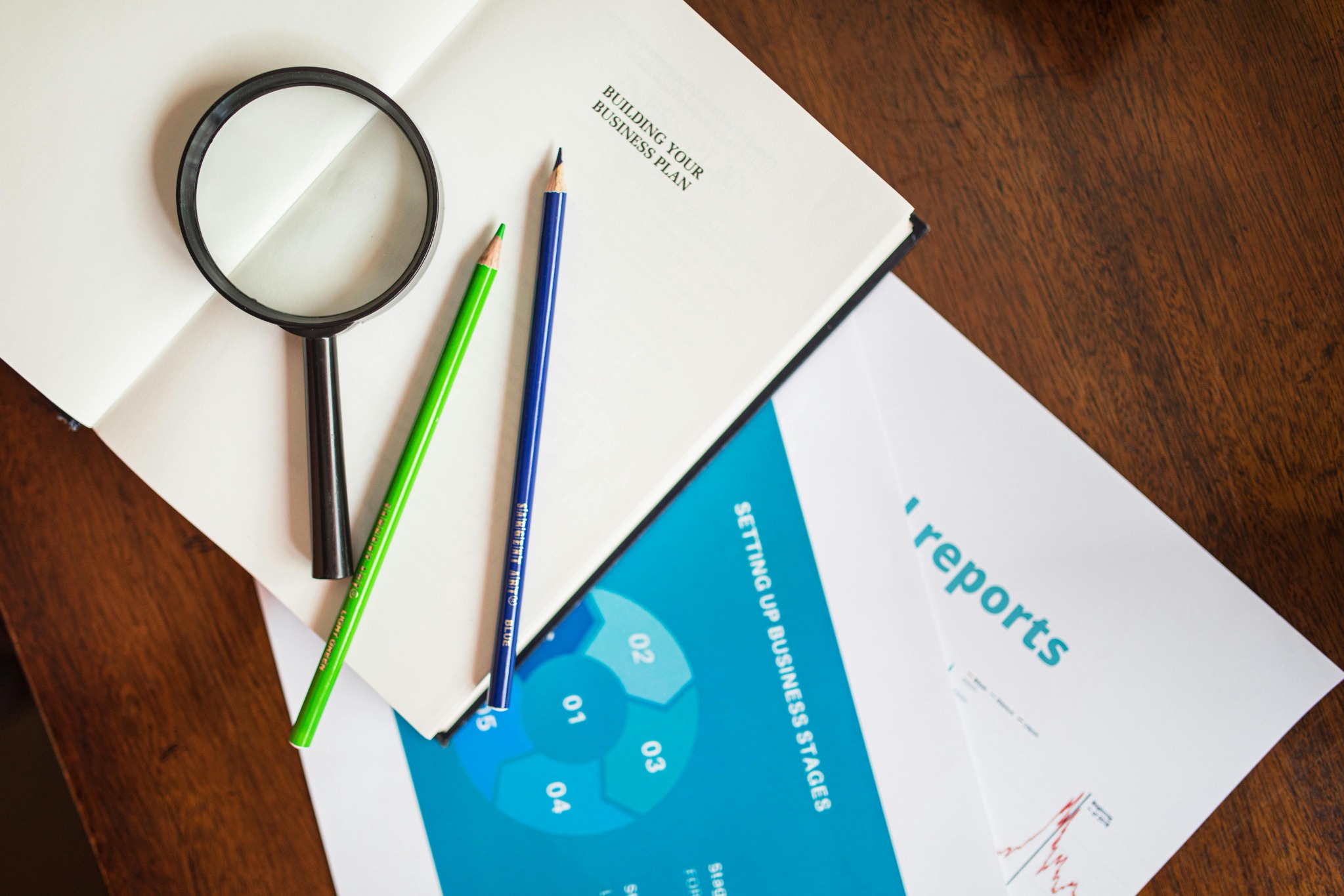
The site uses imagery that foregrounds investigation, annotation and measurable change. That supports the core message: serious innovation is documented, observed and tested.
Research
Frames the question, identifies evidence, isolates risk and improves strategic judgement.
Development
Builds, validates, iterates and scales ideas into workable systems and products.
Design
Shapes interfaces, journeys, materials, behaviours and decision environments.
Outcomes
Better performance, stronger evidence, clearer market fit and more durable operating models.
Why the UK context matters
British firms operate in a business environment where productivity, compliance, digitisation, sustainability and sector-specific regulation all place pressure on how quickly teams can learn and adapt.
That makes R&D a board-level capability, not just a technical speciality. The most effective organisations use it to strengthen competitiveness, support investment cases and reduce the cost of poor decisions.
How innovation usually unfolds
What makes this approach different
Most small sites about innovation slide into one of two modes: they either become abstract thought leadership with no operational grounding, or they mimic a slick portfolio meant to showcase aesthetic taste. This site takes a third route. It is text-led, evidence-shaped and intentionally editorial. The visuals feel like a blend of workshop notes, paper archive and research board. That gives the content authority without making it cold.